Mesothelioma and Lung Cancer: 7 Powerful Facts to Protect Your Health
Mesothelioma and lung cancer are two of the most serious diseases caused by exposure to asbestos, a once-popular building material known for its heat resistance but infamous for its deadly health effects.
In the United States, thousands of people each year are diagnosed with these life-threatening conditions. Sadly, most of them were exposed to asbestos decades before symptoms appeared — at workplaces, construction sites, or even in their own homes.
This article breaks down everything you need to know about mesothelioma and lung cancer, including their causes, symptoms, treatment options, and how victims can seek justice and compensation.
1. Understanding Mesothelioma and Lung Cancer
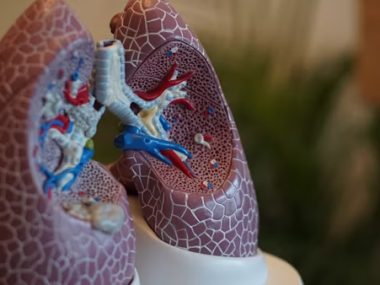
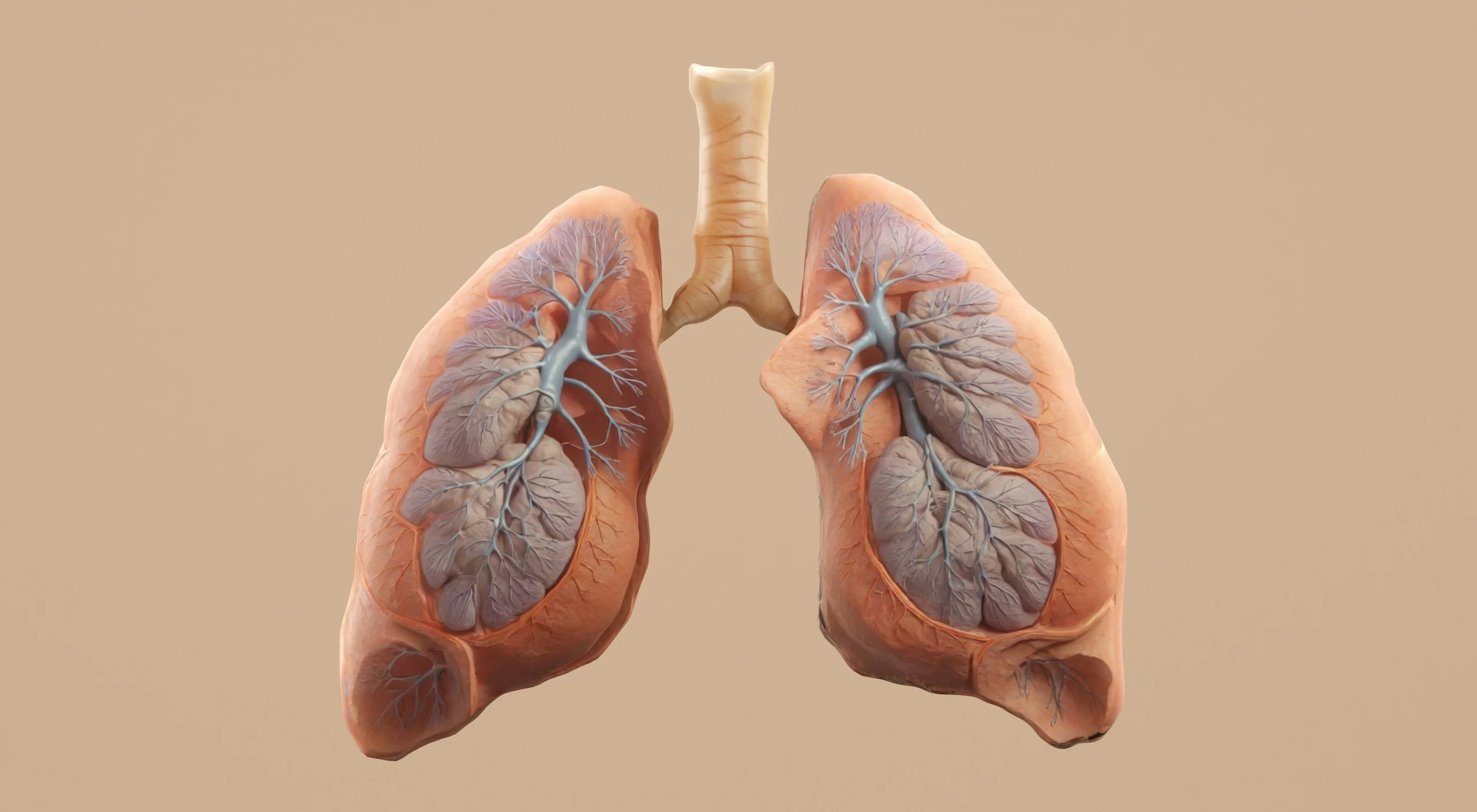
Though both diseases affect the lungs, mesothelioma and lung cancer are fundamentally different in origin and behavior.
Mesothelioma
Mesothelioma is a rare and aggressive cancer that forms in the lining of the lungs (pleura), abdomen (peritoneum), or heart (pericardium). Nearly 80% of mesothelioma cases in the U.S. are linked to asbestos exposure.
Lung Cancer
Lung cancer, on the other hand, originates inside the lung tissue itself. While smoking is a major cause, asbestos exposure also dramatically increases the risk — especially when combined with tobacco use.
Key takeaway: Not all lung-related cancers are the same. Mesothelioma attacks the lining; lung cancer attacks the lung tissue. Both are deadly, but mesothelioma is almost always asbestos-related.
2. How Asbestos Causes Mesothelioma and Lung Cancer
The link between asbestos and these cancers has been proven for decades.
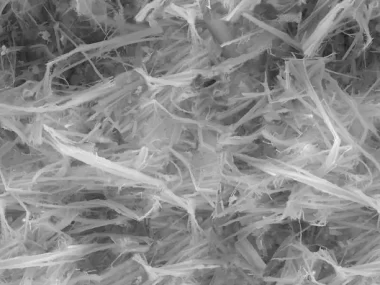
Asbestos fibers are tiny, needle-like particles that become airborne when disturbed. When inhaled or swallowed, they lodge deep in the lungs or abdomen, irritating tissues for years — even decades.
Over time, this persistent irritation can cause DNA damage, leading to uncontrolled cell growth and ultimately cancer.
Because symptoms take 20–50 years to appear, many victims are unaware of their exposure until it’s too late.
Industries with the highest exposure risk include:
- Shipbuilding and Navy service
- Construction and demolition
- Automotive repair (brakes, insulation, clutches)
- Power plants and refineries
- Asbestos product manufacturing
3. Symptoms of Mesothelioma and Lung Cancer
Both mesothelioma and lung cancer share overlapping symptoms, which can make early diagnosis difficult.
Common symptoms include:
- Persistent cough or wheezing
- Chest pain or tightness
- Shortness of breath
- Unexplained weight loss
- Fatigue
- Blood in sputum (for lung cancer)
- Fluid buildup around the lungs (pleural effusion)
Since these signs often mimic mild respiratory illnesses, patients sometimes go undiagnosed for months. If you’ve ever worked around asbestos, it’s crucial to inform your doctor immediately if you experience these symptoms.
4. Diagnosing Mesothelioma and Lung Cancer
Accurate diagnosis is key to proper treatment.
For Mesothelioma:
Doctors typically use:
- Imaging scans (CT, PET, MRI)
- Biopsies of pleural tissue
- Blood tests for biomarkers like mesothelin
For Lung Cancer:
Common tests include:
- Chest X-rays
- Bronchoscopy (camera examination inside the lungs)
- Sputum cytology (testing mucus samples)
- Needle biopsies to confirm malignancy
Early detection significantly improves survival rates. Therefore, individuals with known asbestos exposure should undergo regular screenings, even if they feel healthy.
5. Treatment Options for Mesothelioma and Lung Cancer
Modern medicine offers several treatment paths for mesothelioma and lung cancer patients. The approach depends on the cancer’s type, stage, and the patient’s overall health.
Surgery
- Pleurectomy/Decortication (P/D): Removes diseased pleural tissue.
- Extrapleural Pneumonectomy (EPP): Removes one lung and surrounding tissue.
- Lobectomy or Pneumonectomy: For lung cancer removal.
Chemotherapy
Common drugs like pemetrexed and cisplatin help shrink or slow cancer growth.
Radiation Therapy
Targets cancer cells with high-energy rays to control pain and reduce tumor size.
Immunotherapy
A groundbreaking treatment that boosts the body’s natural defenses against cancer — showing promising results for both mesothelioma and asbestos-related lung cancer.
Multimodal Therapy
Combining surgery, chemo, and radiation often yields the best outcomes.
6. Legal and Financial Help for Asbestos Victims
Because mesothelioma and lung cancer are often caused by occupational asbestos exposure, victims have strong legal rights to compensation.
Types of Legal Claims Include:
- Personal injury lawsuits against asbestos product manufacturers
- Wrongful death claims filed by family members
- Asbestos trust fund claims from companies that went bankrupt
Working with experienced asbestos or mesothelioma attorneys can help you recover compensation for:
- Medical expenses
- Lost income
- Pain and suffering
- Travel costs for treatment
- Funeral expenses (for families)
Most law firms offer free consultations and only collect fees if they win your case.
7. Preventing Mesothelioma and Lung Cancer
While past exposures can’t be undone, you can take steps to reduce future risk and protect your loved ones.
🧰 If You Work in High-Risk Industries:
- Always wear certified respirators and protective clothing.
- Never sand, drill, or cut old insulation without testing it for asbestos.
- Follow OSHA asbestos safety standards at all times.
🏠 If You Live in an Older Home (Built Before 1980):
- Don’t disturb flooring, roofing, or insulation materials.
- Hire licensed asbestos removal professionals.
- Avoid DIY renovations in older properties.
🚭 Quit Smoking
Combining smoking with asbestos exposure multiplies your lung cancer risk tenfold.
A healthy lifestyle, regular checkups, and early medical attention remain your best defense.
Real-Life Example: A U.S. Navy Veteran’s Story
James Miller, a retired U.S. Navy engineer, was diagnosed with pleural mesothelioma at 68. For decades, he worked on ships packed with asbestos insulation.
After his diagnosis, James contacted a mesothelioma law firm that helped him trace his exposure to specific shipyards. Within a year, his attorneys secured over $2.3 million in settlements from multiple asbestos trust funds.
His story reminds us that even decades later, justice is possible — with the right legal guidance and medical care.
Conclusion
Mesothelioma and lung cancer remain two of the deadliest outcomes of asbestos exposure — a preventable hazard that has affected millions of Americans.
By understanding their causes, recognizing symptoms early, and pursuing both medical and legal support, you can safeguard your health and your family’s future.
Whether you’re a veteran, construction worker, or homeowner, awareness is your most powerful weapon. And if you’ve already been affected, compassionate attorneys and advanced treatments can help you fight back — and win the justice you deserve.
10 Frequently Asked Questions (FAQs)
- Are mesothelioma and lung cancer the same?
No. Mesothelioma affects the lining of the lungs; lung cancer develops inside the lung tissue itself. - What causes mesothelioma and lung cancer?
Both are primarily caused by asbestos exposure. Smoking increases lung cancer risk but doesn’t cause mesothelioma. - How long after asbestos exposure do symptoms appear?
It can take 20–50 years after exposure for symptoms to develop. - Can mesothelioma or lung cancer be cured?
There’s no complete cure, but early treatment can extend life expectancy and improve quality of life. - What is the life expectancy after diagnosis?
Mesothelioma patients live 12–21 months on average; lung cancer survival varies by stage. - How do doctors test for asbestos-related diseases?
Through imaging (CT, MRI), biopsies, and blood tests for specific biomarkers. - Can non-smokers get lung cancer from asbestos?
Yes. Asbestos exposure alone can cause lung cancer, even without smoking. - Are family members at risk of exposure?
Yes. Workers often carried asbestos fibers home on clothing, exposing loved ones. - How much compensation can victims receive?
Average settlements range from $1 million to $2.5 million depending on severity and jurisdiction. - What should I do if diagnosed?
Contact both a medical specialist and a qualified asbestos attorney to explore treatment and compensation options immediately.

 Sam
Sam