Mesothelioma: 7 Critical Facts You Must Know in 2025
Introduction
Mesothelioma is a devastating cancer that strikes approximately 3,000 Americans every year, and if you’re reading this, you or someone you love may be facing this diagnosis. This aggressive disease develops in the thin layer of tissue covering most of your internal organs, and it’s almost exclusively caused by asbestos exposure. Understanding this condition is crucial because early detection and proper treatment can significantly impact your prognosis and quality of life.
The journey ahead may seem overwhelming, but knowledge empowers you to make informed decisions about your health care and legal options. In this comprehensive guide, I’ll walk you through everything you need to know about this disease, from its causes and symptoms to cutting-edge treatments and your rights to compensation.
What Is Mesothelioma and Why Should You Care?
Mesothelioma is a rare but aggressive form of cancer that primarily affects the mesothelium—the protective lining surrounding your lungs, heart, and abdominal organs. Unlike other cancers, this disease has a direct and almost exclusive connection to asbestos exposure, making it entirely preventable yet tragically persistent.
The disease typically manifests in one of four types. Pleural mesothelioma affects the lining of your lungs and accounts for roughly 75% of all cases. Peritoneal mesothelioma develops in your abdominal lining, representing about 20% of diagnoses. Meanwhile, pericardial and testicular variants are extremely rare, comprising less than 5% of cases combined.
What makes this cancer particularly insidious is its latency period. You might have been exposed to asbestos decades ago—perhaps in the 1970s or 1980s—and only now are symptoms appearing. This delayed onset means many patients don’t receive their diagnosis until the disease has reached advanced stages.
Understanding the Connection Between Asbestos and Mesothelioma
The relationship between asbestos and mesothelioma is undeniable and well-documented in medical literature. When you inhale or ingest microscopic asbestos fibers, they become lodged in the mesothelial tissue. Your body cannot break down or expel these fibers, so they remain embedded for decades.
Over time, these trapped fibers cause chronic inflammation and cellular damage. This persistent irritation leads to genetic mutations in your mesothelial cells, eventually triggering cancerous growth. The process is slow but relentless, which explains why symptoms typically don’t appear for 20 to 50 years after initial exposure.
Before the 1980s, asbestos was widely used in construction, shipbuilding, automotive manufacturing, and numerous industrial applications. Workers in these industries faced significant exposure risks without adequate protective equipment. Furthermore, family members often experienced secondary exposure through contaminated work clothes brought home.
Even today, asbestos remains legal in the United States under certain conditions, though its use has dramatically decreased. Older buildings, homes, and products may still contain asbestos, putting renovation workers and homeowners at risk during demolition or repair projects.
Recognizing Mesothelioma Symptoms Early Can Save Your Life
Early detection significantly improves your treatment options and survival prospects. However, identifying mesothelioma symptoms proves challenging because they often mimic common, less serious conditions like pneumonia or the flu.
If you have pleural mesothelioma, you might experience persistent chest pain, shortness of breath, and a chronic dry cough. You may also notice fluid buildup around your lungs, causing discomfort and breathing difficulties. Unexplained weight loss and fatigue are common systemic symptoms that shouldn’t be ignored.
For peritoneal mesothelioma, watch for abdominal pain, swelling, and unexplained weight changes. Many patients experience bowel obstruction symptoms, nausea, and loss of appetite. These digestive issues can significantly impact your quality of life and nutritional status.
The key to early detection is recognizing patterns and knowing your risk factors. If you have a history of asbestos exposure and develop any of these symptoms, don’t dismiss them as normal aging or minor ailments. Advocate for yourself by requesting specific mesothelioma screening from your healthcare provider.
How Doctors Diagnose Mesothelioma: The Process You’ll Experience
Getting a mesothelioma diagnosis involves multiple steps and various medical specialists. Your journey typically begins with your primary care physician, who will evaluate your symptoms and medical history. When you mention asbestos exposure, this should trigger immediate concern and prompt further investigation.
Initially, doctors order imaging tests such as chest X-rays, CT scans, or MRIs to visualize abnormalities in your chest or abdomen. These scans can reveal fluid buildup, thickening of the mesothelial lining, or tumor masses. However, imaging alone cannot definitively diagnose this cancer.
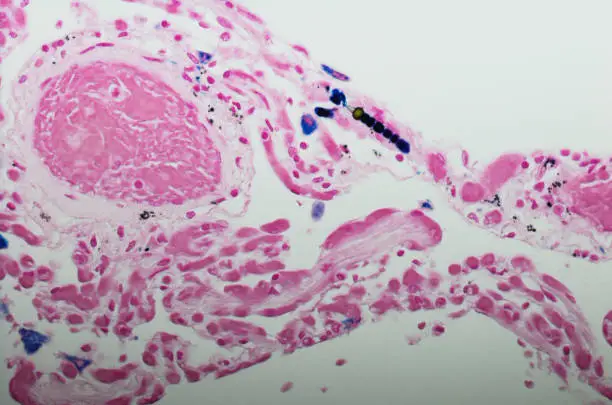
The gold standard for diagnosis is a biopsy, where doctors extract tissue samples for microscopic examination. Several biopsy methods exist, including thoracoscopy (for pleural cases), laparoscopy (for peritoneal cases), or needle biopsies guided by imaging technology. A pathologist then analyzes these samples to identify cancerous mesothelioma cells.
Once confirmed, your medical team determines the cancer’s stage—ranging from Stage I (localized) to Stage IV (advanced metastasis). Staging involves additional tests like PET scans and helps guide treatment decisions. Understanding your specific diagnosis empowers you to research appropriate therapies and seek second opinions when necessary.
Exploring Your Mesothelioma Treatment Options
Treatment for mesothelioma depends on multiple factors, including the cancer’s type, stage, location, and your overall health. While this disease remains challenging to cure, advancements in medical science offer hope and can significantly extend survival while improving quality of life.
Surgery represents a primary treatment option for eligible patients with early-stage disease. Extrapleural pneumonectomy (EPP) involves removing an entire lung, the pleural lining, the diaphragm, and the pericardium. Alternatively, pleurectomy with decortication (P/D) removes the pleural lining while preserving the lung. For peritoneal cases, cytoreductive surgery combined with heated chemotherapy (HIPEC) has shown promising results.
Chemotherapy remains a cornerstone of mesothelioma treatment, often using a combination of pemetrexed and cisplatin. These drugs work systemically to kill cancer cells throughout your body. Radiation therapy targets specific tumor sites to shrink masses, relieve symptoms, or prevent recurrence after surgery.
Moreover, immunotherapy has emerged as a groundbreaking treatment approach. Drugs like nivolumab and ipilimumab help your immune system recognize and attack cancer cells more effectively. Clinical trials continue exploring new immunotherapy combinations and targeted therapies that could revolutionize treatment outcomes.
Many patients benefit from multimodal therapy—combining surgery, chemotherapy, and radiation—to attack the cancer from multiple angles. Your oncology team will develop a personalized treatment plan based on your unique situation, balancing aggressive treatment with quality of life considerations.
The Legal Rights and Compensation You Deserve
If you’ve been diagnosed with mesothelioma, you likely have legal rights to compensation from the companies responsible for your asbestos exposure. This isn’t about greed—it’s about justice and securing financial resources for your medical care and your family’s future.
Most mesothelioma cases result from occupational exposure where employers failed to protect workers despite knowing asbestos dangers. Companies in industries like construction, shipbuilding, manufacturing, and mining used asbestos extensively while concealing health risks from their employees.
You can pursue compensation through several legal avenues. Personal injury lawsuits against negligent companies can result in substantial settlements or verdicts. If your loved one has passed away from mesothelioma, wrongful death claims can provide financial support for surviving family members.
Additionally, asbestos trust funds have been established by bankrupt companies, setting aside billions of dollars for victims. You can file claims with multiple trusts simultaneously, often receiving compensation more quickly than through litigation. Veterans exposed to asbestos during military service may also qualify for VA benefits specifically designated for service-related illnesses.
The statute of limitations for filing mesothelioma lawsuits varies by state, typically ranging from one to six years from diagnosis or discovery. Therefore, consulting with an experienced mesothelioma attorney promptly is crucial to preserving your legal rights.
Living With Mesothelioma: Practical Tips for Patients and Families
A mesothelioma diagnosis changes everything, but you can still maintain quality of life and find moments of joy. Building a strong support system makes this journey more manageable for everyone involved.
First, assemble your medical team carefully. Seek specialists at cancer centers with extensive mesothelioma experience, as they offer access to cutting-edge treatments and clinical trials. Don’t hesitate to get second opinions—this is standard practice for serious diagnoses and helps ensure you’re receiving optimal care recommendations.
Furthermore, address the emotional and psychological impact of your diagnosis. Consider joining support groups where you can connect with others facing similar challenges. Mental health professionals specializing in oncology can help you and your family process complex emotions like fear, anger, and grief.
Nutrition becomes increasingly important during treatment. Work with a registered dietitian to maintain your strength and manage treatment side effects. Gentle exercise, when approved by your doctor, can improve energy levels and mood while reducing treatment-related fatigue.
Financial planning is equally crucial. Medical bills can quickly become overwhelming, so investigate all available resources including insurance benefits, pharmaceutical assistance programs, and nonprofit organizations offering financial aid to cancer patients.
Prevention: Protecting Yourself and Your Family From Asbestos Exposure
While you cannot change past exposure, you can take steps to minimize current and future risks for yourself and your loved ones. Awareness and precaution are your best defenses against this preventable disease.
If you live in a home built before 1980, assume it contains asbestos materials until proven otherwise. Common locations include insulation, floor tiles, ceiling materials, and pipe wrapping. Never disturb these materials yourself—always hire licensed asbestos abatement professionals for removal or remediation projects.
Additionally, if you work in high-risk industries like construction, renovation, or automotive repair, follow all safety protocols rigorously. Wear appropriate personal protective equipment, use proper ventilation, and never eat or drink in areas where asbestos might be present.
Veterans, particularly those who served in the Navy or worked in shipyards, should inform their doctors about potential asbestos exposure. The VA offers screening programs and benefits for service-related asbestos diseases, ensuring you receive the care and compensation you’ve earned.
For family members of workers in asbestos industries, be aware of secondary exposure risks. Encourage your loved ones to shower and change clothes at work facilities before coming home, preventing contaminated fibers from entering your living space.
The Future of Mesothelioma Research and Treatment
Despite mesothelioma’s challenges, medical research continues advancing, offering hope for better outcomes. Scientists worldwide are dedicated to finding more effective treatments and, ultimately, a cure for this devastating disease.
Researchers are investigating gene therapy approaches that could repair the cellular damage caused by asbestos fibers. These cutting-edge treatments aim to correct genetic mutations at their source, potentially stopping cancer progression before it begins.
Moreover, personalized medicine is revolutionizing cancer care. By analyzing your tumor’s specific genetic profile, doctors can identify targeted therapies most likely to work for your unique cancer. This precision approach maximizes treatment effectiveness while minimizing unnecessary side effects.
Clinical trials remain crucial to progress. If you’re eligible, participating in trials gives you access to experimental treatments before they become widely available. You also contribute to scientific knowledge that could help future patients, creating a lasting legacy beyond your own battle.
Improved early detection methods are also under development. Researchers are working on blood tests that could identify mesothelioma in its earliest stages, dramatically improving survival rates. While not yet available for routine screening, these biomarker tests show tremendous promise.
Conclusion
Mesothelioma is undoubtedly one of the most challenging diagnoses you or your loved one can face. This aggressive cancer, caused almost exclusively by asbestos exposure, affects thousands of Americans annually and carries a heavy physical, emotional, and financial burden.
However, understanding this disease empowers you to make informed decisions about your care and legal options. From recognizing early symptoms to exploring cutting-edge treatments, knowledge truly is power in your fight against mesothelioma.
Remember that you’re not alone on this journey. Medical professionals, support groups, legal advocates, and countless resources stand ready to help you navigate the path ahead. Whether you’re pursuing aggressive treatment, seeking compensation for wrongful exposure, or simply looking for ways to maintain quality of life, support exists for every step.
Take action now by consulting with mesothelioma specialists, exploring your legal rights, and connecting with support networks. Your proactive approach can significantly impact your prognosis, financial security, and overall well-being during this challenging time.
Frequently Asked Questions
- How long can you live after being diagnosed with mesothelioma?
Life expectancy varies significantly based on the cancer’s stage, type, and your overall health. With early-stage diagnosis and aggressive treatment, some patients live 18-24 months or longer. Peritoneal mesothelioma patients treated with HIPEC surgery have achieved five-year survival rates exceeding 50%. Your individual prognosis depends on multiple factors, and newer treatments continue improving outcomes.
- What are the first signs of mesothelioma I should watch for?
Early symptoms often include persistent chest pain, shortness of breath, and chronic dry cough for pleural cases. Abdominal pain, swelling, and unexplained weight loss characterize peritoneal mesothelioma. Many people initially mistake these symptoms for less serious conditions, which is why you should seek medical evaluation if you have asbestos exposure history and develop any concerning symptoms.
- Can you get mesothelioma without direct asbestos exposure?
While rare, secondary exposure can occur when family members come into contact with asbestos fibers carried home on workers’ clothing, hair, or skin. Additionally, environmental exposure near asbestos mines or processing facilities has caused cases. However, the vast majority of mesothelioma cases result from direct occupational exposure to asbestos materials.
- Is mesothelioma always fatal or can it be cured?
Currently, mesothelioma is generally considered incurable, but it is treatable. Some patients, particularly those diagnosed early with peritoneal mesothelioma, have achieved long-term remission through aggressive multimodal therapy. Ongoing research into immunotherapy and targeted treatments offers hope for improved survival rates and potential cures in the future.
- How much compensation can I receive from a mesothelioma lawsuit?
Compensation amounts vary widely based on your exposure circumstances, medical expenses, lost wages, and pain and suffering. Settlements and verdicts have ranged from hundreds of thousands to several million dollars. Many patients receive compensation from multiple asbestos trust funds, while others pursue litigation against negligent companies. An experienced mesothelioma attorney can evaluate your specific case’s potential value.
- Does insurance cover mesothelioma treatment costs?
Most health insurance plans cover medically necessary mesothelioma treatments, including surgery, chemotherapy, and radiation. However, coverage details vary by policy, and you may face significant out-of-pocket costs for deductibles, copayments, and experimental treatments. Review your policy carefully, and consider consulting with a patient advocate to maximize your benefits and identify additional financial assistance programs.
- Should I see a mesothelioma specialist or can my regular oncologist treat me?
While general oncologists can provide care, mesothelioma specialists have extensive experience with this rare cancer and access to cutting-edge treatments and clinical trials. Major cancer centers with dedicated mesothelioma programs typically achieve better outcomes. You should strongly consider traveling to a specialized center for consultation and treatment, even if you maintain local care for convenience.
- What occupations have the highest risk of asbestos exposure?
High-risk occupations include construction workers, shipyard workers, mechanics, electricians, plumbers, factory workers, miners, and military veterans (especially Navy personnel). Additionally, firefighters, demolition workers, and anyone involved in building renovation face exposure risks. If you worked in these fields before the 1980s, you should inform your doctor and monitor for symptoms.
- Can I file a mesothelioma claim if the company I worked for is now bankrupt?
Yes, you can still receive compensation through asbestos bankruptcy trust funds. Companies that filed for bankruptcy due to asbestos liability were required to establish these trusts to compensate current and future victims. More than 60 trusts exist with billions of dollars available, and you can file claims with multiple trusts if you had exposure from various sources.
- Are there any promising new treatments for mesothelioma in development?
Several exciting developments are underway, including immunotherapy combinations, gene therapy, virotherapy (using modified viruses to attack cancer cells), and targeted therapies based on tumor genetics. CAR T-cell therapy is being adapted for mesothelioma treatment, and improved surgical techniques combined with HIPEC show promising results. Many of these treatments are available through clinical trials before receiving FDA approval.

 Sam
Sam