Mesothelioma Lung Cancer: 12 Critical Steps to Protect Your Health & Rights
Mesothelioma lung cancer is serious and time-sensitive. If you or someone you love was just diagnosed, you need straightforward facts, immediate medical next steps, and a practical plan for legal and financial protection. I’ll give you exactly that — fast, clearly, and written for U.S. readers who want real guidance today.
What is mesothelioma lung cancer?
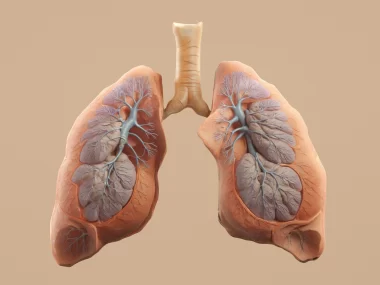
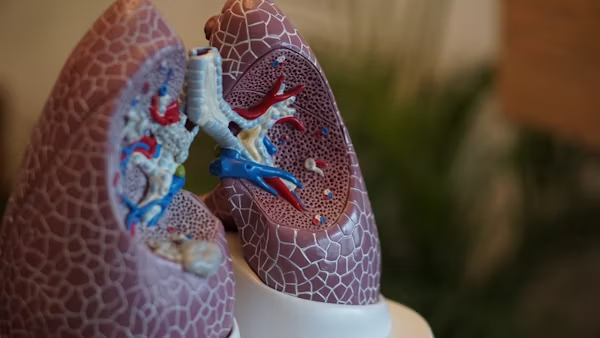
Mesothelioma lung cancer is a malignancy of the pleura — the thin lining around the lungs — caused almost exclusively by asbestos exposure. Unlike more common lung cancers tied to smoking, mesothelioma lung cancer typically stems from inhaled asbestos fibers that lodge in pleural tissue and, over decades, trigger cancerous changes.
In my experience working with patients and families, explaining this difference early reduces confusion and helps you focus on next steps: diagnosis, treatment options, and, when applicable, legal recourse.
How mesothelioma lung cancer develops and why latency matters
When asbestos fibers are inhaled, they can remain in the lungs for years. Over 20 to 50 years, chronic inflammation may cause the cellular changes that produce mesothelioma lung cancer. Because of that long latency, many Americans diagnosed today were exposed decades ago — at shipyards, in construction, or in factories.
Consequently, when we investigate a case, timing and exposure history are crucial. We often ask: where did you work, what materials were used, and did anyone in your household handle dusty work clothes? These details matter for both medical and legal planning.
Common symptoms of mesothelioma lung cancer (what to watch for)
Early symptoms of mesothelioma lung cancer are often subtle and can mimic other respiratory conditions. Watch for:
- Persistent cough that won’t go away.
- Unexplained chest pain or tightness.
- Shortness of breath or breathlessness with little exertion.
- Unintended weight loss, fatigue, and loss of appetite.
- Recurrent pleural effusion (fluid around the lungs).
If you have a history of asbestos exposure and any of these signs, see a specialist promptly — early evaluation improves treatment options for mesothelioma lung cancer.
How mesothelioma lung cancer is diagnosed
Diagnosis of mesothelioma lung cancer requires a combination of imaging, pathology, and expert review.
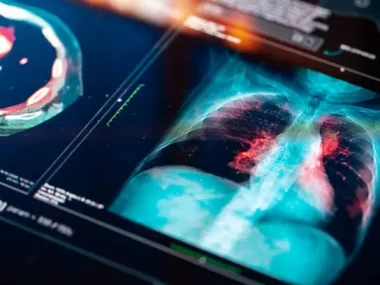
- First, your doctor will order imaging such as chest X-ray, CT scan, or PET scan to look for pleural thickening or masses.
- Next, a biopsy (thoracoscopic or image-guided) provides tissue to confirm mesothelioma lung cancer under a pathologist’s microscope.
- Additionally, immunohistochemical markers and molecular testing help distinguish mesothelioma lung cancer from other cancers.
You should insist on review by a pathologist with experience in mesothelioma lung cancer when possible — a second opinion often clarifies diagnosis and staging.
Staging and prognosis for mesothelioma lung cancer
After confirming mesothelioma lung cancer, doctors determine the stage — how far the disease has spread. Staging guides treatment choices, whether surgery is feasible, and expected outcomes. Early-stage mesothelioma lung cancer patients may be candidates for aggressive multimodal therapy; later stages often focus on symptom control and quality of life.
Be sure to ask your care team for clear staging information and what it means for mesothelioma lung cancer treatment and survival estimates.
Treatment options for mesothelioma lung cancer
Treatment for mesothelioma lung cancer typically uses a combination approach:
- Surgery: Procedures like pleurectomy/decortication or extrapleural pneumonectomy are considered for select patients. Surgical removal may improve symptoms and, in some cases, survival for mesothelioma lung cancer.
- Chemotherapy: Standard regimens, often including pemetrexed plus cisplatin, are commonly used for mesothelioma lung cancer.
- Radiation therapy: Used for local control or to reduce pain from tumors.
- Immunotherapy and targeted agents: Newer treatments are changing outcomes for some mesothelioma lung cancer patients; clinical trials are an important option.
- Palliative care: Essential for symptom control — breathlessness, pain, and emotional support.
You and your team should discuss benefits and side effects honestly. Personally, I recommend seeking care at a center with mesothelioma lung cancer experience to access multidisciplinary expertise and clinical trials.
Clinical trials and new therapies for mesothelioma lung cancer
Because treatment for mesothelioma lung cancer is evolving, trials often offer access to the latest immunotherapies and targeted drugs. Check trials.gov and ask your oncologist about nearby studies. For many patients, clinical trials provide a path to promising treatments not broadly available.
Practical steps to take right now if you have mesothelioma lung cancer
- Confirm diagnosis with an experienced pathologist.
- Assemble a multidisciplinary care team (thoracic surgeon, medical oncologist, radiation oncologist, palliative care).
- Request staging and a clear treatment timeline from your team.
- Ask about clinical trials and second opinions at major cancer centers.
- Document your work and exposure history — employers, dates, job duties, and co-workers.
- Contact an asbestos/exposure attorney if your case may be related to workplace exposure.
- Secure your finances: apply for disability, Social Security, and explore caregiver support.
- Prioritize symptom control and supportive care to maintain quality of life.
- Join a patient support group for emotional and practical help.
- Keep a caregiver or advocate present at major appointments to take notes and ask questions.
These steps reduce confusion and help you act deliberately when every day matters.
Legal options — when mesothelioma lung cancer stems from asbestos exposure
If your mesothelioma lung cancer resulted from workplace or product exposure, you may have legal remedies. Asbestos manufacturers, employers, and premises owners have historically been held accountable.
A qualified attorney who handles asbestos claims can:
- Trace exposure sources and timelines relevant to your mesothelioma lung cancer.
- Identify bankrupt defendants and file trust fund claims.
- File lawsuits for compensation covering medical costs, lost wages, and pain and suffering.
- Coordinate veteran benefits if exposure occurred during military service.
I advise contacting a specialist attorney early — they can preserve evidence and explain deadlines tied to mesothelioma lung cancer claims.
Financial, caregiver, and emotional planning for mesothelioma lung cancer
A diagnosis of mesothelioma lung cancer affects more than health — it changes family life, income, and long-term plans. Work with social workers and financial counselors to:
- File disability and Social Security claims.
- Plan caregiver support and respite.
- Explore treatment funding and legal compensation.
- Seek grief counseling and support groups for patients and families.
Early planning reduces stress and lets you focus on treatment and being present with loved ones.
Preventing future cases: public health and workplace safety
Preventing mesothelioma lung cancer means controlling asbestos exposure. Employers must follow OSHA standards, and homeowners should avoid disturbing materials that might contain asbestos. Public health measures, safe abatement programs, and community education are essential to reduce future mesothelioma lung cancer cases.
Conclusion
mesothelioma lung cancer is life-altering, but informed action matters. Start with a confirmed diagnosis, build a multidisciplinary treatment plan, explore clinical trials, and document exposure for potential legal recourse. The choices you make now — medical, legal, and practical — will shape care, compensation, and quality of life.
If you’d like, I can help you find mesothelioma lung cancer specialists near you, compare top treatment centers in the U.S., or draft an exposure summary to share with an attorney. Tell me which state you’re in and I’ll pull relevant resources.
Frequently Asked Questions (FAQs)
- What causes mesothelioma lung cancer?
Asbestos exposure is the primary cause of mesothelioma lung cancer in most patients. - How long after exposure does mesothelioma lung cancer appear?
Latency is typically 20–50 years between exposure and diagnosis of mesothelioma lung cancer. - Is mesothelioma lung cancer the same as lung cancer?
No. Mesothelioma lung cancer affects the pleural lining, while most lung cancers originate in lung tissue; causes and treatments can differ. - Can mesothelioma lung cancer be cured?
There is no universal cure, but early-stage cases treated at experienced centers can achieve longer survival and improved quality of life. - Should I see a specialist for mesothelioma lung cancer?
Yes. A multidisciplinary team at a center experienced with mesothelioma lung cancer is recommended. - Are there clinical trials for mesothelioma lung cancer?
Yes. Clinical trials often test immunotherapies and targeted agents for mesothelioma lung cancer — ask your oncologist. - Can family members be affected by asbestos exposure?
Yes. Secondary exposure can occur when fibers are brought home on clothing, increasing mesothelioma lung cancer risk for household members. - What compensation can I get if workplace exposure caused my mesothelioma lung cancer?
Potential compensation may cover medical bills, lost wages, pain and suffering, and funeral costs; amounts vary by case. - How soon should I contact an attorney after a mesothelioma lung cancer diagnosis?
Contacting an asbestos attorney early helps preserve evidence and meet filing deadlines for mesothelioma lung cancer claims. - Where can I find more trusted information about mesothelioma lung cancer?
Start with the National Cancer Institute, American Cancer Society, and Mesothelioma Applied Research Foundation for reliable information.
 Sam
Sam