Peritoneal Meso: 7 Life-Saving Facts Every American Must Know
Peritoneal meso — short for peritoneal mesothelioma — is one of the rarest and deadliest cancers linked to asbestos exposure. Affecting the lining of the abdomen (the peritoneum), this disease is both aggressive and deceptive, often developing decades after initial exposure.
Yet, there’s good news: early diagnosis and modern treatments are improving survival rates for American patients.
If you or someone you love has been diagnosed with peritoneal meso, understanding this disease — and your legal rights — can make a life-changing difference.
1. What Is Peritoneal Meso?
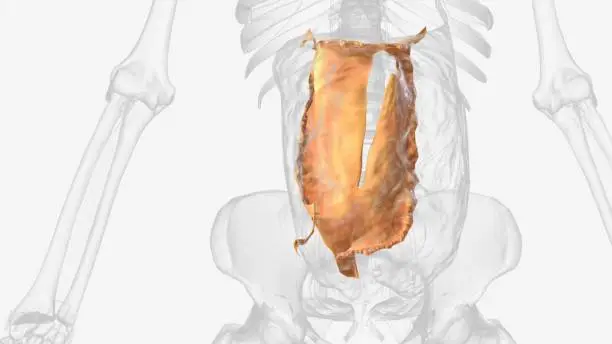
Peritoneal meso is a cancer that begins in the peritoneum, a thin membrane surrounding the abdominal organs. Like pleural mesothelioma (which affects the lungs), this condition is caused by asbestos exposure — microscopic fibers that lodge in the body and trigger inflammation and genetic mutations over time.
When asbestos fibers are swallowed or inhaled, they can travel to the abdomen, damaging the peritoneal lining. This eventually leads to tumor growth, fluid buildup, and organ dysfunction.
2. Symptoms of Peritoneal Meso You Should Never Ignore
Because peritoneal meso develops silently over decades, many patients confuse early symptoms with common digestive issues. Recognizing warning signs early can dramatically improve treatment outcomes.
Common symptoms include:
- Persistent abdominal swelling or pain
- Nausea, vomiting, or loss of appetite
- Unexplained weight loss
- Fatigue and weakness
- Fluid buildup in the abdomen (ascites)
- Changes in bowel habits
If you experience these symptoms — especially after working in industries such as construction, shipyards, oil refineries, or automotive repair — consult a mesothelioma specialist immediately.
3. How Is Peritoneal Meso Diagnosed?
Diagnosing peritoneal meso is complex because symptoms mimic other abdominal conditions like ovarian cancer or irritable bowel syndrome.
Your doctor will perform a combination of tests, including:
- Imaging scans: CT, MRI, or PET scans to detect tumors or fluid buildup.
- Blood tests: Biomarkers such as mesothelin-related peptides may indicate mesothelioma.
- Biopsy: A tissue sample from the peritoneum confirms the diagnosis.
After diagnosis, specialists classify peritoneal meso into two types:
- Epithelioid mesothelioma: The most common and treatable type.
- Sarcomatoid mesothelioma: More aggressive and resistant to therapy.
4. Advanced Treatment Options for Peritoneal Meso
Today, American hospitals are at the forefront of peritoneal meso treatment, offering innovative therapies that extend survival and improve quality of life.
A. Cytoreductive Surgery (CRS)
This major surgical procedure removes visible tumors from the abdomen. It’s often combined with HIPEC (Hyperthermic Intraperitoneal Chemotherapy).
B. HIPEC Therapy
HIPEC involves circulating heated chemotherapy drugs directly inside the abdomen after surgery. The heat helps destroy residual cancer cells while minimizing side effects.
Patients who undergo CRS + HIPEC have reported median survival rates of 5–10 years, compared to less than 1 year with conventional chemotherapy.
C. Systemic Chemotherapy
Used when surgery isn’t possible, systemic chemo helps shrink tumors and relieve symptoms.
D. Immunotherapy
Drugs like Keytruda (pembrolizumab) boost the immune system’s ability to target cancer cells.
E. Clinical Trials
U.S. research institutions like MD Anderson, Mayo Clinic, and Dana-Farber Cancer Institute constantly test breakthrough treatments that can benefit peritoneal meso patients.
5. Legal Rights for Peritoneal Meso Victims
Peritoneal meso is almost always caused by asbestos exposure — meaning you may be eligible for financial compensation. Many companies that exposed workers to asbestos knew the risks but failed to warn or protect them.
If diagnosed with peritoneal meso, an experienced mesothelioma attorney can help you:
- Identify where asbestos exposure occurred.
- File claims against responsible companies or asbestos trust funds.
- Pursue compensation for medical bills, lost income, and emotional distress.
Over $30 billion remains available in asbestos trust funds across the U.S., ensuring victims and families receive justice.
6. 7 Life-Saving Facts About Peritoneal Meso
1. It’s Rare but Treatable
Although only about 15–20% of mesothelioma cases are peritoneal, modern treatments like HIPEC have revolutionized survival rates.
2. Asbestos Is the Only Known Cause
Unlike many cancers, peritoneal meso has one proven cause: asbestos. Even minimal exposure decades ago can trigger disease.
3. Early Diagnosis Saves Lives
When caught early, surgical and targeted treatments can lead to long-term remission.
4. Women Are Increasingly Affected
Recent studies show a rise in peritoneal meso among women — often due to secondary exposure, such as washing asbestos-contaminated work clothes.
5. Veterans Face High Risk
Navy and shipyard veterans are among the most exposed groups, making them eligible for VA benefits in addition to legal claims.
6. Compensation Can Reach Millions
Successful mesothelioma lawsuits or settlements can yield $1 million to $3 million depending on exposure and case strength.
7. You Have Limited Time to File
Every U.S. state has a statute of limitations (typically 1–3 years) for asbestos-related claims. Acting quickly preserves your right to justice.
7. Choosing the Best Doctor or Treatment Center
Selecting a peritoneal meso specialist is crucial. Top U.S. centers include:
- MD Anderson Cancer Center (Houston, TX)
- Mayo Clinic (Rochester, MN)
- Brigham and Women’s Hospital (Boston, MA)
- UCLA Jonsson Comprehensive Cancer Center (Los Angeles, CA)
- University of Chicago Medicine (Chicago, IL)
These hospitals have dedicated mesothelioma programs and surgeons trained in HIPEC.
8. Living with Peritoneal Meso: Managing Symptoms and Hope
Treatment isn’t only about prolonging life — it’s also about improving comfort and maintaining dignity.
Palliative care teams help manage:
- Pain and discomfort
- Digestive symptoms
- Fatigue and emotional stress
Joining support networks like the Mesothelioma Applied Research Foundation or CancerCare can connect you with survivors, caregivers, and counselors who understand your journey.
9. Financial and Legal Assistance for Families
When peritoneal meso strikes, families often face overwhelming costs. A qualified mesothelioma law firm can help you access:
- Asbestos trust fund claims
- Veterans’ benefits
- Social Security disability assistance
- Wrongful death compensation
Most law firms work on a contingency basis, meaning you only pay if they win your case.
Conclusion
Peritoneal meso is a devastating yet increasingly manageable disease when treated early and aggressively.
With specialized medical care, strong family support, and experienced legal guidance, patients can live longer, fuller lives.
If you or someone you love has been diagnosed with peritoneal meso, don’t face it alone. Seek medical expertise immediately and consult a mesothelioma attorney to explore your legal rights. Every moment counts — and with knowledge, hope, and action, you can take back control of your future.
10 Frequently Asked Questions (FAQs)
- What is peritoneal meso?
It’s a rare cancer of the abdominal lining caused by asbestos exposure. - How common is peritoneal meso?
It accounts for about 15–20% of all mesothelioma cases in the U.S. - What causes peritoneal meso?
Asbestos exposure — through work, military service, or secondhand contact. - What are the survival rates?
With CRS + HIPEC, some patients live 7–10 years post-diagnosis. - Is peritoneal meso curable?
Not usually curable, but highly treatable — especially if caught early. - How is it different from pleural mesothelioma?
Peritoneal meso affects the abdomen, while pleural affects the lungs. - Can women get peritoneal meso?
Yes, especially through indirect or household asbestos exposure. - Can I file a lawsuit for peritoneal meso?
Yes, through asbestos trust funds or personal injury claims. - How long after exposure does it develop?
It can take 20–50 years after initial exposure to appear. - Where can I find treatment in the U.S.?
Major cancer centers like MD Anderson, Mayo Clinic, and UCLA specialize in peritoneal meso care.

 Sam
Sam