Cancer Asbestos Mesothelioma: 5 Life-Saving Facts for 2025
Cancer asbestos mesothelioma represents one of the most aggressive and devastating diseases linked directly to workplace exposure. If you’re researching this topic, you’re likely concerned about yourself or a loved one who has been exposed to asbestos or received a diagnosis. Understanding the connection between asbestos, lung cancer, and mesothelioma can literally save your life by helping you recognize symptoms early and pursue appropriate treatment.
Every year, approximately 3,000 Americans receive a mesothelioma diagnosis, while thousands more develop asbestos-related lung cancer. These aren’t just statistics—they’re real people, many of whom had no idea that decades-old workplace exposure would eventually threaten their lives. This comprehensive guide will walk you through everything you need to know about cancer asbestos mesothelioma, empowering you with knowledge to make critical health and legal decisions.
Understanding Cancer Asbestos Mesothelioma: What You’re Actually Facing
Cancer asbestos mesothelioma is a specific type of cancer that develops exclusively from asbestos exposure. Unlike other cancers with multiple potential causes, this disease has one primary culprit: inhaling or ingesting microscopic asbestos fibers that become permanently lodged in your body.
The term “cancer asbestos mesothelioma” actually refers to mesothelioma specifically, which differs from asbestos-related lung cancer. Mesothelioma develops in the mesothelium—the protective lining surrounding your lungs, heart, abdomen, or testicles. In contrast, asbestos lung cancer forms within the lung tissue itself.
Both conditions stem from asbestos exposure, but they’re distinct diseases requiring different diagnostic approaches and treatment protocols. Understanding this distinction is crucial because it affects your prognosis, treatment options, and even your legal compensation rights.
What makes cancer asbestos mesothelioma particularly insidious is its extremely long latency period. You might have breathed in asbestos fibers 20, 30, or even 50 years ago, and only now are cancerous cells developing. This delayed onset means many patients don’t connect their current symptoms with past workplace exposures.
The Deadly Connection: How Asbestos Causes Cancer and Mesothelioma
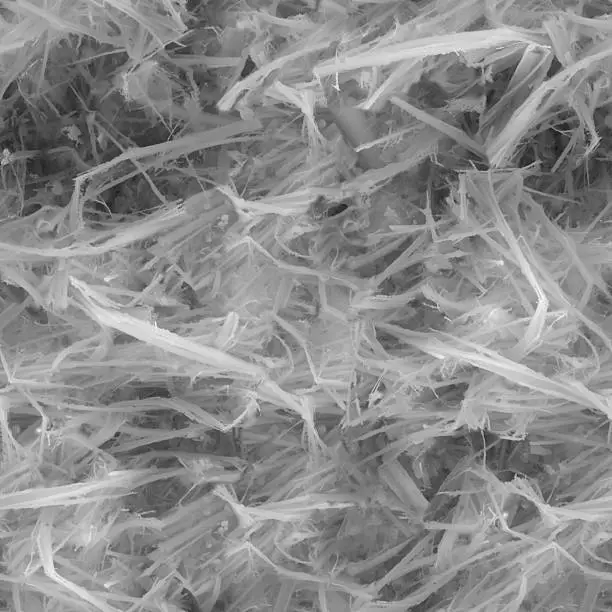
The mechanism by which asbestos causes cancer asbestos mesothelioma is both fascinating and terrifying from a medical perspective. When you inhale asbestos fibers—which are thinner than human hair and invisible to the naked eye—they travel deep into your respiratory system.
These sharp, needle-like fibers penetrate the delicate lining of your lungs and chest cavity. Your body’s immune system recognizes these fibers as foreign invaders and launches an inflammatory response to remove them. However, asbestos fibers are virtually indestructible and cannot be broken down or expelled by your body’s natural defense mechanisms.
Over decades, this persistent inflammation causes progressive cellular damage. The chronic irritation leads to scarring, DNA mutations, and eventually cancerous transformations in your cells. The fibers essentially act as constant irritants, repeatedly damaging cells and disrupting normal cellular repair processes.
Moreover, asbestos exposure can cause cancer through multiple pathways. It can directly damage DNA when fibers physically interfere with cell division. The inflammatory response itself generates free radicals that cause additional genetic mutations. This multi-pronged attack on your cellular health explains why asbestos is such a potent carcinogen.
The International Agency for Research on Cancer has classified all types of asbestos as Group 1 carcinogens—substances definitively known to cause cancer in humans. No safe level of asbestos exposure exists, though higher exposure levels and longer duration increase your risk significantly.
Recognizing Cancer Asbestos Mesothelioma Symptoms Before It’s Too Late
Early detection of cancer asbestos mesothelioma dramatically improves your treatment options and survival prospects. Unfortunately, symptoms often don’t appear until the disease has reached advanced stages, making awareness of subtle warning signs critically important.
For pleural mesothelioma affecting your lung lining, you’ll typically experience persistent chest pain that doesn’t improve with over-the-counter medications. This pain often feels like a constant ache or pressure in your chest wall. Shortness of breath develops gradually as fluid accumulates around your lungs, a condition called pleural effusion.
You might notice a persistent dry cough that doesn’t respond to cough suppressants or cold medications. Many patients also experience unexplained fatigue that interferes with daily activities. Weight loss without dieting is another red flag symptom that warrants immediate medical evaluation.
Additionally, you may develop difficulty swallowing, hoarseness, or swelling in your face and arms. These symptoms indicate the cancer might be pressing against nearby structures like your esophagus, vocal cords, or major blood vessels.
For peritoneal mesothelioma affecting your abdomen, watch for abdominal swelling, pain, and unexplained changes in bowel habits. Many people experience nausea, loss of appetite, and unintentional weight fluctuations.
The key is recognizing patterns and acting on them. If you have a history of asbestos exposure and develop any combination of these symptoms, don’t wait for them to worsen. Demand specific testing for cancer asbestos mesothelioma from your healthcare provider.
Diagnosing Cancer Asbestos Mesothelioma: The Testing Process Explained
Getting a definitive cancer asbestos mesothelioma diagnosis requires multiple specialized tests and consultations with experienced specialists. Understanding this process helps you advocate effectively for appropriate care and avoid diagnostic delays that could impact your prognosis.
Your diagnostic journey typically begins with imaging studies. Chest X-rays may reveal abnormalities like pleural thickening, fluid accumulation, or unusual masses. However, X-rays alone cannot distinguish between mesothelioma, lung cancer, or benign conditions.
CT scans provide much more detailed images of your chest and abdomen, allowing doctors to visualize the extent of any tumors and identify characteristics specific to mesothelioma. These scans can show pleural thickening, nodules, and fluid collections that suggest cancer asbestos mesothelioma rather than other conditions.
PET scans help determine whether cancer has spread beyond the original site. This metabolic imaging technique identifies areas of increased cellular activity, which characterizes cancer cells. Your medical team uses PET scan results to stage your disease accurately.
However, the gold standard for diagnosing cancer asbestos mesothelioma remains tissue biopsy. Doctors must obtain actual tissue samples to examine under a microscope and confirm the presence of mesothelioma cells. Several biopsy methods exist, depending on your tumor’s location.
Thoracoscopy involves inserting a small camera through tiny incisions in your chest wall, allowing doctors to visualize the pleural space directly and obtain tissue samples. For abdominal cases, laparoscopy performs a similar function. These minimally invasive procedures provide definitive diagnoses while causing less trauma than open surgery.
Specialized pathologists then analyze your tissue samples using immunohistochemistry—a technique that identifies specific protein markers on cancer cells. This testing definitively distinguishes mesothelioma from lung cancer and other cancers with similar appearances.
Cancer Asbestos Mesothelioma Treatment: Your Options for Fighting Back
Treating cancer asbestos mesothelioma requires an aggressive, multimodal approach combining surgery, chemotherapy, radiation, and increasingly, immunotherapy. Your treatment plan depends on several factors including disease stage, overall health, and which type of mesothelioma you’re facing.
Surgery offers the best chance for extended survival when your cancer is caught early and hasn’t spread extensively. Two major surgical approaches exist for pleural mesothelioma. Extrapleural pneumonectomy (EPP) removes your entire affected lung along with the pleural lining, part of your diaphragm, and the pericardium surrounding your heart.
Alternatively, pleurectomy with decortication (P/D) removes only the pleural lining while preserving your lung. Recent research suggests P/D may offer similar survival benefits to EPP with fewer complications and better quality of life outcomes.
For peritoneal cancer asbestos mesothelioma, cytoreductive surgery combined with hyperthermic intraperitoneal chemotherapy (HIPEC) has revolutionized treatment. Surgeons remove all visible tumors, then bathe your abdominal cavity with heated chemotherapy drugs to kill remaining microscopic cancer cells.
Chemotherapy remains a cornerstone treatment for cancer asbestos mesothelioma. The standard regimen combines pemetrexed (Alimta) with cisplatin or carboplatin. These drugs work systemically throughout your body to kill rapidly dividing cancer cells. While chemotherapy causes side effects, newer supportive medications have significantly improved tolerability.
Radiation therapy targets specific tumor sites with high-energy beams to shrink masses, relieve symptoms, or prevent recurrence after surgery. Intensity-modulated radiation therapy (IMRT) precisely delivers radiation while minimizing damage to surrounding healthy tissue.
Furthermore, immunotherapy has emerged as a game-changing treatment option. The combination of nivolumab (Opdivo) and ipilimumab (Yervoy) received FDA approval for mesothelioma treatment in 2020. These drugs enhance your immune system’s ability to recognize and destroy cancer cells.
Clinical trials continue exploring innovative approaches including CAR T-cell therapy, tumor-treating fields, photodynamic therapy, and gene therapy. Participating in trials gives you access to cutting-edge treatments while contributing to medical advancement.
The Difference Between Cancer Asbestos Mesothelioma and Asbestos Lung Cancer
Many people confuse cancer asbestos mesothelioma with asbestos-related lung cancer, but these are distinct diseases with different characteristics, treatments, and prognoses. Understanding the differences ensures you receive appropriate care and pursue correct legal compensation.
Mesothelioma develops in the mesothelial lining surrounding your organs, most commonly the pleural lining around your lungs. Lung cancer, including asbestos-related lung cancer, originates within the lung tissue itself. This fundamental difference in location affects how each disease spreads and responds to treatment.
Asbestos exposure is the sole cause of cancer asbestos mesothelioma—nearly 100% of cases link directly to asbestos. In contrast, asbestos-related lung cancer represents just one of many potential lung cancer causes. Smoking, radon exposure, air pollution, and genetic factors can all cause lung cancer independently.
Importantly, if you were exposed to asbestos AND smoke cigarettes, your lung cancer risk increases exponentially—not just additively. This synergistic effect makes smoking particularly dangerous for people with asbestos exposure history.
From a diagnostic perspective, distinguishing between these diseases requires specialized pathology expertise. The cellular characteristics differ significantly under microscopic examination. Mesothelioma cells have a distinctive appearance that trained pathologists can identify through immunohistochemistry testing.
Treatment approaches also differ considerably. While both diseases may involve surgery, chemotherapy, and radiation, the specific drugs, surgical techniques, and radiation protocols vary. Cancer asbestos mesothelioma responds to pemetrexed-based chemotherapy, while lung cancer may require different drug combinations.
Prognosis varies between these conditions as well. Generally, mesothelioma carries a worse prognosis than many lung cancers, though outcomes depend heavily on stage at diagnosis and treatment response. Five-year survival rates for mesothelioma hover around 10-12%, while lung cancer rates vary widely by type and stage.
Your Legal Rights: Seeking Justice for Cancer Asbestos Mesothelioma
If you’ve been diagnosed with cancer asbestos mesothelioma, you almost certainly have legal rights to compensation from the companies responsible for your exposure. This isn’t about getting rich—it’s about holding negligent corporations accountable and securing resources for your medical care and family’s future.
The historical record clearly shows that many companies knew about asbestos dangers decades before informing workers. Internal documents revealed in lawsuits demonstrate that corporations deliberately concealed health risks to protect profits. These companies prioritized their bottom line over your safety and wellbeing.
You can pursue several legal avenues to obtain compensation. Personal injury lawsuits against negligent manufacturers, employers, or property owners can result in substantial verdicts or settlements. These cases typically recover compensation for medical expenses, lost wages, pain and suffering, and reduced quality of life.
If your loved one has died from cancer asbestos mesothelioma, wrongful death claims can provide financial support for surviving family members. These lawsuits compensate for loss of companionship, funeral expenses, lost financial support, and the deceased’s pain and suffering before death.
Additionally, asbestos bankruptcy trusts represent another compensation source. More than 60 companies have established these trusts, setting aside billions of dollars specifically for asbestos victims. You can file claims with multiple trusts simultaneously, often receiving compensation faster than through traditional litigation.
Veterans exposed to asbestos during military service deserve special mention. The U.S. Department of Veterans Affairs provides specific benefits for service-related asbestos diseases. Navy veterans face particularly high risks due to extensive asbestos use in ships.
Time limits apply to filing cancer asbestos mesothelioma lawsuits. Each state has statutes of limitations ranging from one to six years from diagnosis or discovery. Consulting with an experienced mesothelioma attorney immediately after diagnosis preserves your legal rights and maximizes potential compensation.
Living With Cancer Asbestos Mesothelioma: Practical Guidance for Patients and Families
A cancer asbestos mesothelioma diagnosis fundamentally changes your life, but you can still find quality, meaning, and even moments of joy during this journey. Building comprehensive support systems and accessing available resources makes this challenging time more manageable.
First and foremost, assemble the best possible medical team. Seek care at specialized cancer centers with extensive mesothelioma experience. These institutions offer access to cutting-edge treatments, clinical trials, and multidisciplinary teams including surgeons, oncologists, radiologists, and support specialists.
Don’t hesitate to seek second or even third opinions. This is standard practice for serious diagnoses like cancer asbestos mesothelioma. Different specialists may offer varying perspectives on treatment approaches, and you deserve to make fully informed decisions.
Furthermore, addressing the emotional and psychological impact is equally important as treating the physical disease. Cancer affects your mental health, relationships, and sense of identity. Consider joining support groups specifically for mesothelioma patients where you can connect with others who truly understand your experience.
Professional counseling helps many patients and families process complex emotions including fear, anger, grief, and uncertainty. Therapists specializing in oncology provide valuable coping strategies and emotional support throughout your treatment journey.
Nutrition becomes critically important during cancer treatment. Work with registered dietitians to maintain strength, manage side effects, and optimize your body’s ability to heal. Proper nutrition can improve treatment tolerance and quality of life.
Gentle exercise, when approved by your medical team, offers multiple benefits including reduced fatigue, improved mood, better sleep, and enhanced overall wellbeing. Even short walks or light stretching can make meaningful differences in how you feel day-to-day.
Financial planning deserves immediate attention. Cancer asbestos mesothelioma treatment is expensive, and medical bills can quickly become overwhelming. Investigate all available resources including insurance benefits, pharmaceutical patient assistance programs, nonprofit grants, and legal compensation options.
Preventing Cancer Asbestos Mesothelioma: Protecting Yourself and Your Loved Ones
While you cannot change past asbestos exposure that may have caused your current diagnosis, you can take steps to prevent additional exposure and protect family members from this preventable disease.
If you live or work in buildings constructed before 1980, assume asbestos-containing materials are present until professional testing proves otherwise. Common locations include insulation, floor tiles, ceiling materials, roofing shingles, pipe wrapping, and textured paints.
Never disturb suspected asbestos materials yourself. Demolition, renovation, or repair activities can release massive quantities of dangerous fibers into the air. Always hire licensed, certified asbestos abatement professionals for any work involving potential asbestos materials.
Additionally, if you work in high-risk industries like construction, shipbuilding, auto mechanics, or demolition, follow safety protocols rigorously. Wear appropriate respiratory protection, use proper ventilation systems, maintain clean work areas, and never eat or drink where asbestos exposure might occur.
Employers have legal obligations to protect workers from asbestos exposure. If your workplace doesn’t provide adequate safety equipment or training, report violations to the Occupational Safety and Health Administration (OSHA). Your health is more important than any job.
For family members of asbestos workers, understand secondary exposure risks. Cancer asbestos mesothelioma can develop from fibers carried home on work clothing, hair, or skin. Encourage your loved ones to shower and change clothes at work facilities before coming home.
If you’re a veteran, particularly if you served in the Navy or worked in shipyards, inform your healthcare providers about potential asbestos exposure. The VA offers screening programs and specialized care for service-related cancer asbestos mesothelioma.
The Future of Cancer Asbestos Mesothelioma Research and Hope
Despite cancer asbestos mesothelioma’s grim reputation, ongoing research offers genuine hope for improved treatments and potentially even cures. Scientists worldwide are dedicated to understanding this disease better and developing more effective therapies.
Immunotherapy continues evolving rapidly. Beyond currently approved drugs, researchers are investigating new checkpoint inhibitors, combination therapies, and personalized approaches based on individual immune profiles. These treatments harness your body’s natural defense systems to fight cancer more effectively.
Gene therapy represents another promising frontier. Scientists are developing techniques to correct the genetic mutations caused by asbestos exposure or introduce genes that make cancer cells more vulnerable to treatment. While still largely experimental, gene therapy could revolutionize cancer asbestos mesothelioma treatment.
Moreover, researchers are working on improved early detection methods. Blood tests measuring specific biomarkers could identify cancer asbestos mesothelioma in its earliest stages when treatment is most effective. The MESOMARK test measures soluble mesothelin-related peptides, though it’s not yet reliable enough for routine screening.
Virotherapy—using modified viruses to selectively infect and destroy cancer cells—shows promise in early clinical trials. These engineered viruses target cancer cells while leaving healthy tissue unharmed, potentially offering powerful treatment with fewer side effects.
Nanotechnology applications in cancer treatment are also advancing. Researchers are developing nanoparticles that can deliver chemotherapy drugs directly to cancer cells, maximizing effectiveness while minimizing systemic toxicity and side effects.
Personalized medicine continues transforming cancer care across all types. By analyzing your tumor’s specific genetic profile, doctors can identify which treatments are most likely to work for your unique cancer asbestos mesothelioma, avoiding ineffective therapies and optimizing outcomes.
Conclusion
Cancer asbestos mesothelioma stands as a stark reminder of corporate negligence and the long-lasting consequences of workplace hazards. This aggressive disease, caused almost exclusively by asbestos exposure, continues affecting thousands of Americans despite decades of knowledge about asbestos dangers.
Understanding the connection between asbestos exposure and this devastating cancer empowers you to recognize symptoms early, pursue appropriate treatment, and access legal compensation you deserve. While the diagnosis is serious, advances in medical treatment offer hope, and new therapies continue emerging from ongoing research.
If you’re facing cancer asbestos mesothelioma, remember that you’re not alone. Comprehensive support systems exist including specialized medical centers, support groups, legal advocates, and numerous resources to help you navigate this challenging journey.
Take action immediately by consulting with mesothelioma specialists, exploring all treatment options including clinical trials, and contacting experienced attorneys to discuss your legal rights. Your proactive approach can significantly impact your prognosis, quality of life, and financial security.
Most importantly, share your story to raise awareness about asbestos dangers that persist in older buildings and workplaces. Your experience can help protect others from this entirely preventable disease.
Frequently Asked Questions
- Is cancer asbestos mesothelioma the same as lung cancer?
No, cancer asbestos mesothelioma and lung cancer are distinct diseases. Mesothelioma develops in the protective lining (mesothelium) surrounding your lungs and other organs, while lung cancer originates within the lung tissue itself. Both can result from asbestos exposure, but they have different cellular characteristics, treatment protocols, and prognoses. Mesothelioma is almost exclusively caused by asbestos, whereas lung cancer has multiple potential causes including smoking, radon, and genetic factors.
- How long after asbestos exposure does cancer asbestos mesothelioma develop?
Cancer asbestos mesothelioma has an extremely long latency period, typically developing 20 to 50 years after initial asbestos exposure. The average latency period is approximately 30-40 years, though some cases have been diagnosed after shorter or longer periods. This delayed onset means you might have been exposed decades ago during your working years and only now are experiencing symptoms. The long latency explains why many patients are diagnosed in their 60s and 70s.
- Can you survive cancer asbestos mesothelioma?
While cancer asbestos mesothelioma is aggressive and currently incurable, survival is possible with proper treatment. Some patients live several years after diagnosis, particularly when caught early. Peritoneal mesothelioma patients treated with cytoreductive surgery and HIPEC have achieved five-year survival rates exceeding 50%. Pleural mesothelioma prognosis is generally more challenging, but multimodal treatment combining surgery, chemotherapy, and immunotherapy continues improving outcomes. Your individual prognosis depends on disease stage, cell type, age, and overall health.
- What occupations have the highest risk for cancer asbestos mesothelioma?
High-risk occupations include shipyard workers, Navy veterans, construction workers, insulators, electricians, plumbers, auto mechanics, factory workers, miners, and firefighters. Anyone who worked with or around asbestos-containing materials before the 1980s faces elevated risk. Secondary exposure also affects family members who came into contact with asbestos fibers brought home on workers’ clothing. Additionally, people living near asbestos mines or processing facilities may have experienced environmental exposure.
- How do doctors differentiate between cancer asbestos mesothelioma and other cancers?
Doctors use several diagnostic tools to distinguish cancer asbestos mesothelioma from other cancers. Imaging studies like CT scans reveal characteristic patterns of pleural thickening and nodules. However, definitive diagnosis requires tissue biopsy analyzed by specialized pathologists using immunohistochemistry techniques. These tests identify specific protein markers unique to mesothelioma cells. Pathologists examine multiple markers including calretinin, WT-1, and cytokeratin 5/6 to confirm mesothelioma and rule out lung cancer, breast cancer metastases, or other conditions with similar appearances.
- Does smoking increase my risk of cancer asbestos mesothelioma?
Smoking does not directly cause cancer asbestos mesothelioma—only asbestos exposure causes this disease. However, if you were exposed to asbestos AND smoke, your risk of developing asbestos-related lung cancer increases dramatically through a synergistic effect. The combination multiplies your lung cancer risk by 50-90 times compared to people who neither smoke nor were exposed to asbestos. While smoking doesn’t cause mesothelioma specifically, it significantly worsens overall cancer risk for people with asbestos exposure history.
- What compensation am I entitled to for cancer asbestos mesothelioma?
Compensation amounts vary widely based on your exposure circumstances, medical expenses, lost income, and jurisdiction. Mesothelioma settlements and verdicts have ranged from hundreds of thousands to millions of dollars. You may be eligible for compensation through personal injury lawsuits, asbestos bankruptcy trust fund claims, VA benefits (for veterans), workers’ compensation, or wrongful death claims. Most mesothelioma patients qualify for compensation from multiple sources. An experienced mesothelioma attorney can evaluate your specific case and estimate potential compensation.
- Are there experimental treatments available for cancer asbestos mesothelioma?
Yes, numerous experimental treatments are available through clinical trials. Current research focuses on immunotherapy combinations, gene therapy, virotherapy using modified viruses to kill cancer cells, tumor-treating fields (electric field therapy), photodynamic therapy, and CAR T-cell therapy. Additionally, researchers are investigating new drug combinations and targeted therapies based on tumor genetics. Clinical trials offer access to cutting-edge treatments before they receive FDA approval. Many specialized cancer centers actively enroll mesothelioma patients in trials.
- Can cancer asbestos mesothelioma be detected early before symptoms appear?
Currently, no reliable screening test exists for cancer asbestos mesothelioma in asymptomatic individuals. Blood tests measuring biomarkers like soluble mesothelin-related peptides show promise but lack sufficient accuracy for routine screening. Researchers are working to develop more sensitive early detection methods. If you have significant asbestos exposure history, inform your doctor and remain vigilant for symptoms. Some specialists recommend periodic imaging for high-risk individuals, though this isn’t standard practice. Early symptom recognition remains the best approach for early detection.
- Should family members of cancer asbestos mesothelioma patients get tested?
Family members who may have experienced secondary asbestos exposure should inform their doctors about this risk factor, but routine testing isn’t typically recommended without symptoms. Secondary exposure occurs when asbestos fibers are carried home on workers’ clothing, potentially exposing household members. While this risk is real, the majority of exposed family members don’t develop disease. However, you should remain aware of cancer asbestos mesothelioma symptoms and seek immediate evaluation if concerning signs develop, especially if you have documented exposure history.
 Sam
Sam

 admin
admin