Asbestos Mesothelioma Lung Cancer: 8 Shocking Facts 2025
Introduction
Asbestos mesothelioma lung cancer claims thousands of lives annually across the United States, yet many people remain unaware of their exposure risks until it’s too late. If you’ve worked in construction, shipbuilding, manufacturing, or the military—particularly before the 1980s—you may have been exposed to deadly asbestos fibers without your knowledge or consent.
The connection between asbestos exposure and respiratory cancers is undeniable and well-documented. Understanding how asbestos causes both mesothelioma and lung cancer could save your life by helping you recognize warning signs early and seek appropriate medical intervention.
Every year, approximately 3,000 Americans receive a mesothelioma diagnosis, while asbestos contributes to an estimated 4-6% of all lung cancer cases—representing thousands of additional victims. These aren’t abstract statistics; they’re real people whose lives have been devastated by corporate negligence and preventable exposure.
This comprehensive guide will explain everything you need to know about asbestos mesothelioma lung cancer, empowering you to protect your health and pursue justice if you’ve been harmed.
Understanding Asbestos Mesothelioma Lung Cancer: Essential Definitions
The phrase “asbestos mesothelioma lung cancer” encompasses two distinct but related diseases caused by the same deadly substance—asbestos. Clarifying these terms is crucial for your understanding, diagnosis, and treatment.
Asbestos is a group of naturally occurring mineral fibers prized for decades due to their heat resistance, strength, and insulation properties. Industries used asbestos extensively in construction materials, automotive parts, textiles, and countless products from the 1940s through the 1980s.
Mesothelioma is a rare, aggressive cancer that develops in the mesothelium—the thin protective membrane lining your lungs (pleura), abdomen (peritoneum), heart (pericardium), or testicles (tunica vaginalis). This cancer is almost exclusively caused by asbestos exposure, with 80-90% of all cases directly linked to inhaling or ingesting asbestos fibers.
Asbestos-related lung cancer, in contrast, originates within the lung parenchyma—the actual spongy tissue of your lungs responsible for oxygen exchange. While asbestos causes only about 4-6% of all lung cancers, this still represents thousands of cases annually in the United States alone.
The critical distinction is anatomical location. Mesothelioma develops in the lining surrounding your lungs, while lung cancer grows within the lung tissue itself. This difference profoundly affects diagnosis, treatment approaches, prognosis, and even legal compensation strategies.
Both conditions share asbestos as a primary causative agent, but they behave differently, progress at different rates, and require specialized treatment protocols. Understanding this distinction empowers you to ensure you receive accurate diagnosis and appropriate care.
How Asbestos Destroys Your Lungs: The Biological Mechanism
Understanding how asbestos causes mesothelioma lung cancer requires examining what happens when microscopic asbestos fibers enter your respiratory system. This process is insidious, silent, and devastating.
When you breathe in asbestos fibers—which are thinner than human hair and invisible to the naked eye—they travel deep into your respiratory tract. Unlike larger particles that your body’s natural defenses can trap and expel, asbestos fibers are small enough to penetrate to the smallest airways and alveoli.
These needle-like fibers lodge in your lung tissue and pleural lining where they remain permanently. Your body cannot break down, dissolve, or eliminate asbestos fibers through any natural biological process. They stay embedded for decades, causing continuous damage.
Your immune system recognizes these foreign fibers and launches an inflammatory response attempting to remove them. White blood cells surround the fibers, releasing inflammatory chemicals and trying unsuccessfully to break them down. This chronic inflammation persists for years—even decades—creating a hostile cellular environment.
Over time, this relentless inflammation causes multiple forms of damage. The inflammatory response generates reactive oxygen species (free radicals) that damage cellular DNA. The sharp fibers physically interfere with normal cell division, causing chromosomal abnormalities. Cells attempting to repair this damage may undergo mutations that transform them into cancer cells.
For asbestos mesothelioma lung cancer development, the location where fibers lodge determines which disease develops. Fibers that penetrate through to the mesothelial lining cause mutations in mesothelial cells, eventually resulting in mesothelioma. Fibers embedded directly in lung tissue cause mutations in bronchial or alveolar cells, potentially leading to lung cancer.
Moreover, asbestos exposure interacts synergistically with other carcinogens, particularly tobacco smoke. If you were exposed to asbestos AND smoke cigarettes, your lung cancer risk doesn’t just add—it multiplies. The combination increases lung cancer risk by 50-90 times compared to people with neither exposure.
The World Health Organization and International Agency for Research on Cancer have classified all types of asbestos—including chrysotile, amosite, crocidolite, tremolite, anthophyllite, and actinolite—as Group 1 carcinogens, meaning they definitively cause cancer in humans.
Recognizing Asbestos Mesothelioma Lung Cancer Symptoms Early
Early detection of asbestos mesothelioma lung cancer dramatically improves your treatment options and survival prospects. Unfortunately, both diseases typically remain asymptomatic during early stages when treatment is most effective, making symptom awareness critically important.
For pleural mesothelioma affecting the lining around your lungs, you’ll typically experience persistent chest pain that feels like pressure, aching, or heaviness in your chest wall. This pain is often worse with deep breathing, coughing, or lying down, and it doesn’t improve with over-the-counter pain medications.
Shortness of breath develops gradually and progressively worsens as fluid accumulates in the pleural space—a condition called pleural effusion. You might notice you’re winded after climbing stairs, carrying groceries, or performing activities that previously didn’t cause breathing difficulties.
A persistent dry cough that doesn’t respond to cough suppressants or antibiotics is another hallmark symptom. Many patients dismiss this as chronic bronchitis, allergies, or a lingering cold, delaying crucial diagnosis by months or even years.
You may experience unexplained weight loss of 10 pounds or more without dieting or intentional lifestyle changes. This cancer-related weight loss, called cachexia, results from metabolic changes caused by tumor growth and inflammatory substances released by cancer cells.
Additionally, you might notice profound fatigue that interferes with daily activities, night sweats soaking your bedclothes, low-grade fever without infection, difficulty swallowing, hoarseness, or swelling in your face and arms.
For asbestos-related lung cancer, symptoms often include a persistent cough that produces blood-tinged sputum or phlegm. You might experience chest pain that feels deep within your chest rather than along the chest wall. The pain may be constant or occur primarily with coughing or deep breathing.
Recurring respiratory infections like pneumonia or bronchitis can signal lung cancer. If you’ve had three or more respiratory infections in the past year, this warrants investigation, especially with asbestos exposure history.
Wheezing, hoarseness lasting more than two weeks, and chronic shortness of breath are additional warning signs. Systemic symptoms including unexplained weight loss, loss of appetite, debilitating fatigue, and bone pain (if cancer has spread) demand immediate medical evaluation.
The challenge with asbestos mesothelioma lung cancer symptoms is their non-specificity. They mimic common, benign conditions like pneumonia, bronchitis, acid reflux, or normal aging. If you have any history of asbestos exposure—even decades ago—and develop any respiratory symptoms, you must inform your doctor and specifically request screening for asbestos-related diseases.
Diagnosing Asbestos Mesothelioma Lung Cancer: What to Expect
Obtaining an accurate diagnosis for asbestos mesothelioma lung cancer requires multiple specialized tests, experienced specialists, and sometimes persistence in advocating for yourself. Understanding this process helps you navigate the system effectively.
Your diagnostic journey begins with a comprehensive medical history. Be completely honest about any asbestos exposure, regardless of how brief or how long ago it occurred. Mention specific occupations, job sites, military service, or even home renovations involving older buildings that might have exposed you to asbestos.
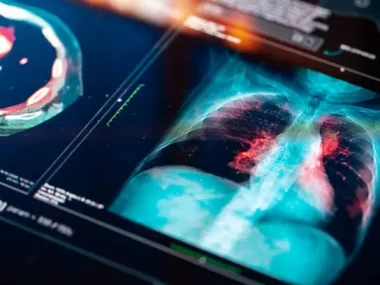
Initial imaging typically includes chest X-rays, which may reveal abnormalities like pleural thickening, pleural plaques (calcified areas indicating asbestos exposure), unusual masses, or fluid accumulation. However, X-rays cannot definitively diagnose cancer or distinguish between mesothelioma and lung cancer.
CT scans (computed tomography) provide much more detailed, three-dimensional images of your chest cavity. For mesothelioma, CT scans typically show irregular pleural thickening, nodules along the pleural surface, pleural effusion, and sometimes involvement of the chest wall or diaphragm. Lung cancer appears as masses or nodules within the lung tissue itself, often with characteristic features like spiculated borders or cavitation.
MRI (magnetic resonance imaging) may be ordered to better visualize soft tissue involvement, chest wall invasion, or diaphragmatic extension—all factors that affect surgical planning and staging.
PET scans (positron emission tomography) help determine metabolic activity and whether cancer has spread beyond the original site. These scans identify areas of increased glucose uptake, which characterizes actively growing cancer cells. PET scan results are crucial for accurate staging of asbestos mesothelioma lung cancer.
However, imaging studies alone cannot provide definitive diagnosis. You need tissue biopsy where doctors extract actual cells or tissue samples for microscopic examination by specialized pathologists. Several biopsy techniques exist depending on tumor location and accessibility.
Thoracentesis involves inserting a needle through your chest wall to drain pleural fluid and obtain cells for analysis. While minimally invasive, fluid analysis alone may not provide definitive diagnosis because mesothelioma cells are difficult to identify in fluid samples.
Thoracoscopy (also called VATS—video-assisted thoracoscopic surgery) involves inserting a small camera and instruments through tiny incisions in your chest wall. This allows direct visualization of the pleural space and collection of larger tissue samples. Thoracoscopy is currently the gold standard for mesothelioma diagnosis.
Bronchoscopy examines your airways using a flexible tube with a camera and can obtain samples from lung tumors accessible through the bronchial tree. This procedure is more useful for diagnosing lung cancer than mesothelioma.
For difficult-to-reach tumors, CT-guided needle biopsy provides a less invasive option. Radiologists use CT imaging to guide a needle precisely to the tumor, extracting tissue samples for analysis.
Specialized pathologists then analyze your tissue samples using immunohistochemistry—sophisticated testing identifying specific protein markers on cancer cells. This testing definitively distinguishes mesothelioma from lung cancer and other cancers with similar appearances.
For asbestos mesothelioma lung cancer diagnosis, pathologists examine multiple markers. Mesothelioma cells typically express calretinin, WT-1, cytokeratin 5/6, and D2-40 while being negative for markers like TTF-1 and CEA. Lung cancer shows the opposite pattern. This molecular fingerprinting ensures accurate diagnosis.
Comprehensive Treatment Options for Asbestos Mesothelioma Lung Cancer
Treating asbestos mesothelioma lung cancer requires aggressive, multimodal approaches combining surgery, chemotherapy, radiation therapy, and increasingly, immunotherapy. Your treatment plan must be personalized based on your specific diagnosis, disease stage, overall health, and personal preferences.
For pleural mesothelioma, two major surgical approaches exist. Extrapleural pneumonectomy (EPP) is an extensive operation removing your entire affected lung along with the pleural lining, part of your diaphragm, and the pericardium surrounding your heart. This radical surgery is only appropriate for early-stage disease in patients with excellent overall health and good lung function.
Pleurectomy with decortication (P/D) removes the pleural lining and visible tumors while preserving your lung. Recent research suggests P/D may offer survival benefits similar to EPP with significantly fewer complications, shorter recovery times, and better quality of life outcomes.
For peritoneal mesothelioma affecting your abdominal cavity, cytoreductive surgery combined with hyperthermic intraperitoneal chemotherapy (HIPEC) has achieved remarkable results. Surgeons remove all visible tumors, then bathe your abdominal cavity with heated chemotherapy drugs to eliminate microscopic cancer cells. Some patients achieve long-term remission or even cure with this approach.
Regarding asbestos-related lung cancer surgery, options include lobectomy (removing the affected lung lobe), segmentectomy (removing a segment), wedge resection (removing a small section), or pneumonectomy (removing the entire lung). The surgical approach depends on tumor size, location, and whether cancer has spread to lymph nodes or other structures.
Chemotherapy remains a cornerstone treatment for asbestos mesothelioma lung cancer. For mesothelioma, the standard first-line regimen combines pemetrexed (Alimta) with cisplatin or carboplatin. This combination has shown the best results for controlling mesothelioma growth and extending survival. Adding bevacizumab (Avastin), an angiogenesis inhibitor, further improves outcomes.
For asbestos-related lung cancer, chemotherapy options depend on whether you have small cell or non-small cell lung cancer. Platinum-based combinations remain standard, but specific drugs vary. Your oncologist selects regimens based on cancer subtype, genetic mutations, and your overall health.
Radiation therapy targets specific tumor sites with high-energy beams to shrink masses, relieve symptoms, or prevent recurrence after surgery. Modern techniques like intensity-modulated radiation therapy (IMRT), stereotactic body radiation therapy (SBRT), and proton beam therapy deliver precise radiation while minimizing damage to surrounding healthy tissue.
Furthermore, immunotherapy has revolutionized asbestos mesothelioma lung cancer treatment over the past few years. The combination of nivolumab (Opdivo) and ipilimumab (Yervoy) received FDA approval for unresectable pleural mesothelioma in 2020. These checkpoint inhibitors unleash your immune system’s natural cancer-fighting abilities.
For lung cancer, immunotherapy options include pembrolizumab (Keytruda), atezolizumab (Tecentriq), durvalumab (Imfinzi), and cemiplimab (Libtayo). These drugs block PD-1 or PD-L1 proteins that prevent immune cells from attacking tumors. Your oncologist determines which immunotherapy is appropriate based on PD-L1 expression levels and other biomarkers.
Targeted therapy represents another exciting advancement, particularly for lung cancer with specific genetic mutations. Drugs targeting EGFR mutations, ALK rearrangements, ROS1 alterations, BRAF mutations, MET exon 14 skipping, and other molecular abnormalities can produce dramatic responses with fewer side effects than traditional chemotherapy.
Clinical trials offer access to cutting-edge treatments before they become widely available. Ongoing research investigates CAR T-cell therapy, tumor-treating fields, photodynamic therapy, gene therapy, and novel drug combinations. Participating in trials gives you access to potentially life-extending treatments while contributing to medical progress.
Multimodal therapy—combining surgery, chemotherapy, and radiation in carefully sequenced protocols—often provides the best outcomes. Your oncology team develops personalized treatment plans balancing aggressive cancer control with quality of life considerations.
Your Legal Rights and Compensation for Asbestos Mesothelioma Lung Cancer
If you’ve been diagnosed with asbestos mesothelioma lung cancer, you almost certainly have legal rights to substantial compensation from the companies responsible for your exposure. This isn’t about greed or frivolous lawsuits—it’s about justice and holding negligent corporations accountable for deliberately harming workers.
The historical record is damning. Internal documents revealed through decades of litigation show that many asbestos companies knew about health dangers as early as the 1930s but deliberately concealed this information to protect profits. These corporations prioritized their bottom line over your health, safety, and life.
Workers were never warned about asbestos dangers. Companies didn’t provide protective equipment or implement safety measures that could have prevented exposure. This deliberate negligence makes these companies legally and morally responsible for the diseases they caused.
You can pursue compensation through several legal avenues. Personal injury lawsuits against asbestos manufacturers, employers, contractors, or property owners can result in substantial settlements or jury verdicts. These cases seek compensation for medical expenses, lost wages, pain and suffering, reduced quality of life, and loss of companionship for spouses.
If your loved one has died from asbestos mesothelioma lung cancer, wrongful death claims provide financial support for surviving family members. These lawsuits compensate for funeral expenses, lost financial support, loss of companionship, and the deceased’s suffering before death.
Asbestos bankruptcy trust funds represent another critical compensation source. More than 60 companies that manufactured, distributed, or used asbestos products have filed for bankruptcy due to overwhelming liability. Courts required these companies to establish trust funds specifically for current and future asbestos victims.
These trusts currently hold approximately $30 billion designated for asbestos disease victims. You can file claims with multiple trust funds simultaneously if you were exposed to products from various manufacturers. Trust fund claims often resolve within months, providing compensation faster than traditional litigation.
Veterans exposed to asbestos during military service deserve special mention. Asbestos was used extensively throughout all military branches, particularly in the Navy. Ships, submarines, aircraft, vehicles, and military buildings contained asbestos insulation, gaskets, fireproofing, and countless other materials.
The U.S. Department of Veterans Affairs provides specific benefits for service-related asbestos diseases including asbestos mesothelioma lung cancer. These benefits are separate from and in addition to civil compensation claims you can pursue against asbestos manufacturers.
Workers’ compensation may provide benefits if your exposure occurred during employment. However, workers’ compensation typically offers limited benefits and may prevent you from suing your employer directly. You can still pursue claims against third-party manufacturers and contractors.
Time limits apply to filing asbestos mesothelioma lung cancer lawsuits. Statutes of limitations vary by state, typically ranging from one to six years from diagnosis or discovery. Some states have special provisions for asbestos cases, and the clock may start differently depending on your situation.
Consulting with an experienced asbestos attorney immediately after diagnosis is crucial. These specialized lawyers have extensive knowledge of asbestos products, company histories, bankruptcy trusts, and legal strategies. They can identify all potential compensation sources and maximize your recovery.
Importantly, pursuing legal compensation doesn’t mean prolonged stress or court appearances. Most asbestos cases settle before trial, and your attorney handles all legal work while you focus on your health and family.
Living Your Best Life With Asbestos Mesothelioma Lung Cancer
An asbestos mesothelioma lung cancer diagnosis fundamentally changes your life trajectory, but you can still maintain dignity, find meaning, and experience quality of life during this journey. Building comprehensive support systems and accessing available resources makes this challenging path more manageable.
First and foremost, assemble the strongest possible medical team. Seek care at specialized cancer centers with extensive experience treating mesothelioma and asbestos-related lung cancers. These institutions include places like Memorial Sloan Kettering Cancer Center, Brigham and Women’s Hospital, MD Anderson Cancer Center, and Moffitt Cancer Center.
These specialized centers offer access to cutting-edge treatments, clinical trials, multidisciplinary tumor boards where specialists collaboratively review your case, and support services addressing the full spectrum of cancer-related needs.
Don’t hesitate to seek second or even third opinions. This is standard practice for serious diagnoses like asbestos mesothelioma lung cancer. Different specialists may offer varying perspectives on treatment approaches, and you deserve to make fully informed decisions with complete information.
Addressing emotional and psychological impact is equally important as treating the physical disease. Cancer affects your mental health, relationships, sense of identity, and future planning. The fear, anger, grief, and uncertainty are normal responses to an abnormal situation.
Consider joining support groups specifically for mesothelioma or lung cancer patients. These groups—whether in-person or online—connect you with others who truly understand your experience. Sharing stories, coping strategies, and emotional support with fellow patients can be profoundly healing.
Professional counseling with therapists specializing in oncology provides valuable support. These mental health professionals help you process complex emotions, develop effective coping strategies, manage anxiety and depression, and navigate relationships affected by your diagnosis.
Nutrition becomes critically important during asbestos mesothelioma lung cancer treatment. Work with registered dietitians specializing in oncology to maintain strength, manage treatment side effects like nausea and loss of appetite, and optimize your body’s ability to heal and fight cancer.
Adequate protein intake supports immune function and tissue repair. Staying hydrated helps flush toxins and manage side effects. Small, frequent meals may be easier to tolerate than large meals when appetite is poor.
Gentle exercise, when approved by your medical team, offers multiple benefits. Even light physical activity reduces fatigue, improves mood, enhances sleep quality, maintains muscle mass, supports cardiovascular health, and improves overall wellbeing.
Walking, swimming, gentle yoga, and tai chi are excellent options. Start slowly and increase gradually based on your energy levels. Listen to your body and rest when needed, but avoid complete inactivity which can worsen fatigue and deconditioning.
Pain management deserves careful attention and open communication with your medical team. Many asbestos mesothelioma lung cancer patients experience significant pain from the disease itself, treatment side effects, or procedures. Effective pain control is not a luxury—it’s essential for quality of life.
Pain management options include medications (from over-the-counter to prescription opioids), nerve blocks, radiation therapy for pain relief, physical therapy, acupuncture, massage, meditation, and relaxation techniques. Don’t suffer silently—advocate for adequate pain control.
Financial planning requires immediate attention. Asbestos mesothelioma lung cancer treatment is expensive, with costs easily reaching hundreds of thousands of dollars. Investigate all available resources including health insurance benefits, Medicare or Medicaid, pharmaceutical patient assistance programs, nonprofit grants, and legal compensation.
Many pharmaceutical companies offer patient assistance programs providing free or reduced-cost medications for people meeting income criteria. Organizations like the Patient Advocate Foundation, CancerCare, and the HealthWell Foundation offer financial assistance for treatment costs.
Preventing Asbestos Mesothelioma Lung Cancer in Your Community
While you cannot change past exposure that may have caused your diagnosis, you can take meaningful action to prevent asbestos mesothelioma lung cancer in others. Your experience and advocacy can protect future generations from this entirely preventable disease.
If you live or work in buildings constructed before 1980, assume asbestos-containing materials are present until professional inspection confirms otherwise. Asbestos was used in over 3,000 products including insulation, floor tiles, ceiling materials, roofing shingles, siding, pipe wrapping, gaskets, brake pads, clutches, textured paints, and joint compound.
Never disturb suspected asbestos materials yourself. Cutting, drilling, sanding, scraping, or breaking asbestos-containing materials releases massive quantities of dangerous fibers into the air. These fibers can remain airborne for hours, contaminating your entire home or building.
Always hire licensed, EPA-certified asbestos abatement professionals for any work involving potential asbestos materials. These professionals have specialized training, proper equipment, and knowledge of regulations governing safe asbestos handling and disposal.
If you work in high-risk industries like construction, shipbuilding, automotive repair, demolition, firefighting, or military service, follow safety protocols rigorously. Wear appropriate respiratory protection with HEPA filters, use proper ventilation and dust suppression systems, maintain clean work areas, and practice good hygiene.
Employers have legal obligations under OSHA (Occupational Safety and Health Administration) regulations to protect workers from asbestos exposure. These requirements include exposure monitoring, medical surveillance, training, protective equipment, and workplace controls.
If your workplace doesn’t comply with OSHA standards or provide adequate protection, report violations immediately. Call OSHA’s hotline at 1-800-321-OSHA or file complaints online. Your health is more valuable than any job, and reporting violations protects your coworkers too.
For family members of asbestos workers, understand secondary exposure risks. Asbestos mesothelioma lung cancer can develop from fibers carried home on work clothing, hair, shoes, or skin. This “take-home” exposure has caused disease in spouses, children, and other household members.
Encourage your loved ones to shower and change clothes at work facilities before coming home. Work clothes should be laundered separately from family laundry, preferably at workplace facilities designed to handle contaminated clothing.
Advocate for stronger asbestos regulations and complete bans. Despite overwhelming evidence of health dangers, asbestos remains legal in the United States under certain conditions. The EPA has attempted to ban asbestos but faced legal and political obstacles.
Support legislation like the Alan Reinstein Ban Asbestos Now Act, which would comprehensively ban asbestos in the United States. Contact your congressional representatives and senators to express support for asbestos bans and stronger worker protections.
Share your story publicly if you’re comfortable doing so. Personal stories are powerful tools for raising awareness, influencing policy, and preventing future cases. Consider speaking at community events, sharing on social media, or participating in advocacy campaigns.
The Future: Hope in Asbestos Mesothelioma Lung Cancer Research
Despite the grim reputation of asbestos mesothelioma lung cancer, ongoing research offers genuine hope for improved treatments, longer survival, and potentially even cures. Scientists worldwide are dedicated to understanding these diseases better and developing more effective therapies.
Immunotherapy continues evolving rapidly with second and third-generation checkpoint inhibitors, combination therapies, and personalized approaches based on individual immune profiles and tumor microenvironments. Researchers are investigating ways to make “cold” tumors that don’t respond to immunotherapy become “hot” and susceptible to immune attack.
CAR T-cell therapy—which has revolutionized treatment for certain blood cancers—is being adapted for solid tumors including mesothelioma. This approach involves extracting your T cells, genetically engineering them to recognize specific proteins on cancer cells, then reinfusing billions of these modified cells to attack tumors throughout your body.
Early clinical trials of CAR T-cell therapy targeting mesothelin (a protein highly expressed in mesothelioma) show promise. While challenges remain in making this therapy work effectively for solid tumors, progress continues.
Gene therapy represents another frontier. Scientists are developing techniques to correct genetic mutations caused by asbestos exposure, introduce genes making cancer cells more vulnerable to treatment, or deliver therapeutic molecules directly to cancer cells.
Researchers are investigating improved early detection methods that could identify asbestos mesothelioma lung cancer before symptoms appear. Blood tests measuring biomarkers like soluble mesothelin-related peptides (SMRP), fibulin-3, osteopontin, and megakaryocyte potentiating factor show promise.
Liquid biopsies detecting circulating tumor DNA in blood samples could revolutionize early detection and treatment monitoring. These tests identify genetic mutations, track treatment response, and detect recurrence earlier than traditional imaging methods.
Nanotechnology applications in cancer treatment advance rapidly. Researchers are developing nanoparticles that deliver chemotherapy drugs directly to cancer cells, maximizing effectiveness while minimizing systemic toxicity. Some nanoparticles can generate heat when exposed to specific wavelengths, destroying cancer cells through thermal ablation.
Virotherapy—using genetically modified viruses to selectively infect and destroy cancer cells—shows promise in clinical trials. These engineered viruses replicate inside cancer cells, killing them and triggering immune responses against tumors.
Tumor-treating fields (TTFields) use alternating electric fields to disrupt cancer cell division. This FDA-approved treatment for glioblastoma is being investigated for mesothelioma and lung cancer, with early results showing promise.
Photodynamic therapy, which uses light-activated drugs to destroy cancer cells, is being refined for intraoperative treatment during mesothelioma surgery. Surgeons apply photosensitizing drugs to the chest cavity, then activate them with specific wavelengths of light that selectively kill remaining cancer cells.
Conclusion
Asbestos mesothelioma lung cancer represents one of the most tragic public health disasters in American history—entirely preventable diseases caused by corporate greed and deliberate negligence. Understanding the connection between asbestos exposure and these devastating cancers empowers you to recognize symptoms early, pursue appropriate treatment, and seek the justice you deserve.
If you’re facing asbestos mesothelioma lung cancer, remember you’re not fighting alone. Comprehensive support systems exist including specialized medical centers, experienced oncology teams, support groups, mental health professionals, legal advocates, and numerous organizations dedicated to helping patients and families navigate this journey.
Take immediate action by consulting with mesothelioma and lung cancer specialists at experienced cancer centers, exploring all treatment options including clinical trials, and contacting specialized asbestos attorneys to discuss your legal rights. Your proactive approach can significantly impact your prognosis, quality of life, and financial security.
Most importantly, consider sharing your story to raise awareness about asbestos dangers that persist in millions of older buildings, ships, and products across America. Your experience and advocacy can help prevent future cases and pressure legislators to enact complete asbestos bans and stronger worker protections.
The fight against asbestos mesothelioma lung cancer continues on multiple fronts—medical research seeking better treatments, legal battles holding corporations accountable, and advocacy efforts protecting future generations. Your voice and experience matter in this ongoing struggle for justice and prevention.
Frequently Asked Questions
- What is the connection between asbestos, mesothelioma, and lung cancer?
Asbestos is a toxic mineral fiber that causes both mesothelioma and lung cancer through different mechanisms. When you inhale asbestos fibers, some lodge in the pleural lining causing mesothelioma, while others embed in lung tissue causing lung cancer. Mesothelioma is almost exclusively caused by asbestos (80-90% of cases), whereas asbestos contributes to about 4-6% of all lung cancers. Both diseases have long latency periods of 20-50 years between exposure and diagnosis.
- Can you get both asbestos mesothelioma and lung cancer simultaneously?
Yes, though extremely rare, you can develop both mesothelioma and lung cancer at the same time. This occurs in less than 1% of patients with asbestos exposure history and indicates severe, prolonged exposure. Having both diseases presents significant treatment challenges as doctors must address two distinct cancers simultaneously. This situation typically requires aggressive multimodal therapy and consultation with multiple specialists.
- How do I know if my lung cancer was caused by asbestos exposure?
Determining causation requires evaluating multiple factors including documented asbestos exposure history, exposure duration and intensity, the latency period between exposure and diagnosis, smoking history, tumor location and cell type, and histological examination. Certain features like peripheral adenocarcinoma or the presence of asbestos bodies in lung tissue suggest asbestos causation. Medical and legal experts use specific criteria to establish that asbestos more likely than not caused your specific lung cancer.
- What are the early warning signs of asbestos mesothelioma lung cancer?
Early symptoms include persistent chest pain not relieved by over-the-counter medications, progressive shortness of breath, chronic dry cough, unexplained weight loss exceeding 10 pounds, profound fatigue interfering with daily activities, and pleural effusion (fluid around lungs). For lung cancer specifically, watch for coughing up blood, recurring respiratory infections, wheezing, and hoarseness. These symptoms often appear 20-50 years after asbestos exposure, making the connection to past exposure difficult but crucial.
- Does smoking increase my risk of asbestos mesothelioma lung cancer?
Smoking does not directly cause mesothelioma—only asbestos exposure causes this disease. However, if you were exposed to asbestos AND smoke cigarettes, your lung cancer risk increases synergistically by 50-90 times compared to people with neither exposure. This multiplicative effect makes smoking extremely dangerous for people with asbestos exposure history. Even if you’ve smoked for decades, quitting now still reduces your overall cancer risk and improves treatment outcomes.
- What compensation am I entitled to for asbestos mesothelioma lung cancer?
Compensation varies widely based on exposure circumstances, medical expenses, lost income, pain and suffering, and jurisdiction. Mesothelioma claims typically result in higher compensation than lung cancer because causation is easier to prove. You may receive compensation through personal injury lawsuits (often $1-5 million), asbestos trust funds (collectively holding $30 billion), VA benefits for veterans, and workers’ compensation. Most patients receive compensation from multiple sources. An experienced asbestos attorney can evaluate your specific situation.
- Are there any promising new treatments for asbestos mesothelioma lung cancer?
Yes, several exciting developments offer hope. Immunotherapy combinations like nivolumab plus ipilimumab are FDA-approved for mesothelioma. CAR T-cell therapy targeting mesothelin is in clinical trials. Researchers are investigating gene therapy, virotherapy using modified viruses, tumor-treating fields, photodynamic therapy, and nanoparticle drug delivery systems. HIPEC (heated chemotherapy) for peritoneal mesothelioma has achieved remarkable results with some patients living 5+ years. Clinical trials offer access to these
- How long can I live after being diagnosed with asbestos mesothelioma lung cancer?
Survival varies significantly based on cancer type, stage at diagnosis, cell type, treatment response, and overall health. Pleural mesothelioma has a median survival of 12-18 months with standard treatment, though some patients live several years. Peritoneal mesothelioma patients treated with cytoreductive surgery and HIPEC have achieved five-year survival rates exceeding 50%. Asbestos-related lung cancer survival depends on stage—early-stage disease has 50-70% five-year survival, while advanced disease has much lower rates. Individual outcomes vary considerably, and newer treatments continue improving survival statistics.
- Should I get tested for asbestos mesothelioma lung cancer if I was exposed but have no symptoms?
If you have significant asbestos exposure history but no symptoms, inform your primary care physician and request documentation in your medical records. While routine screening isn’t currently recommended for asymptomatic individuals, you should remain vigilant for warning signs. Some specialists recommend annual chest X-rays or low-dose CT scans for people with substantial exposure. Most importantly, if you smoke, quit immediately—this is the single most effective action to reduce cancer risk. Seek immediate evaluation if any respiratory symptoms develop.
- Can my family members get asbestos mesothelioma lung cancer from me?
Asbestos-related diseases are not contagious—you cannot transmit them to family members through casual contact. However, family members can develop asbestos mesothelioma lung cancer through secondary exposure if they came into contact with asbestos fibers you brought home on work clothing, hair, or skin decades ago. This “take-home” or “household” exposure has caused disease in spouses who laundered work clothes and children who hugged parents after work. If you currently work with asbestos, shower and change clothes at work facilities to protect your family from secondary exposure
 Sam
Sam